The Best Time to Visit India: A Region-by-Region Guide
The best time to visit India depends entirely on where you want to go. A country that stretches from the Himalaya to the tropics has many climates at once, and there is somewhere wonderful to travel in every month of the year. This guide sets out the seasons region by region, so that you can match your dates to the right part of the country.
The short answer: October to March

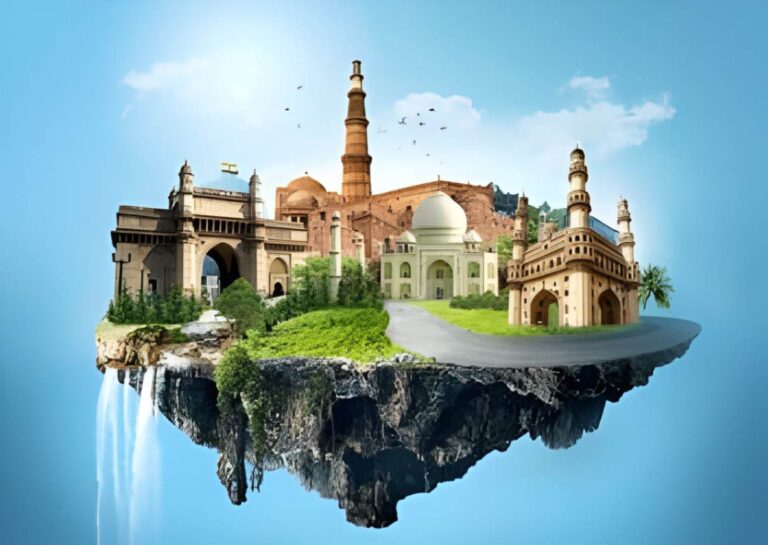
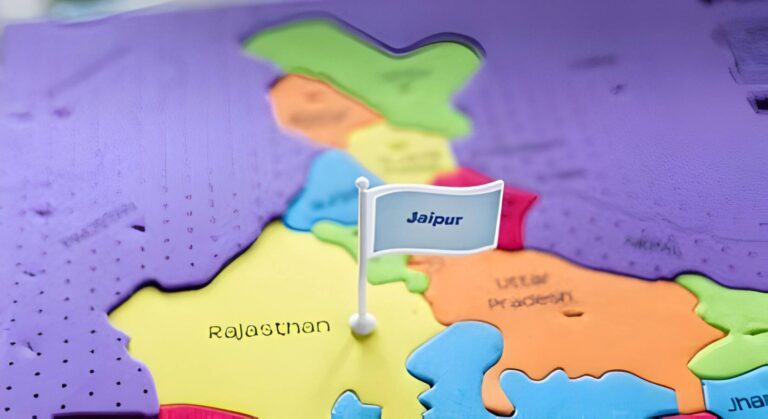
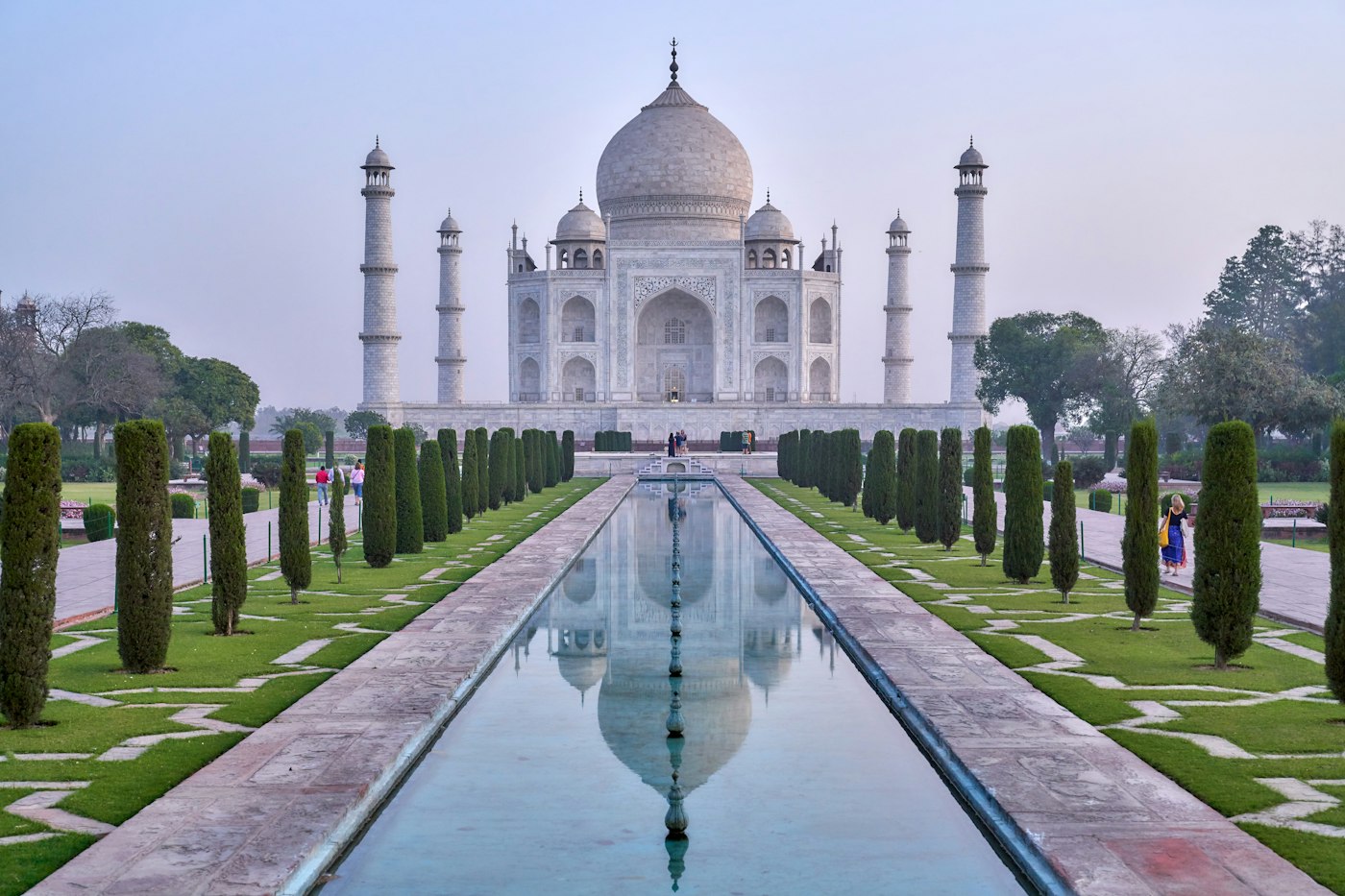
For a first journey, which usually includes the Golden Triangle of Delhi, Agra and Jaipur, Rajasthan or Kerala, October to March is the best time to visit India. Days are warm and dry, evenings are cool, and the light is soft and clear. December and January are the coolest months in the north, with chilly mornings and occasional fog around Delhi and Agra, so it is worth allowing a little flexibility around early starts.
Month by month
| Months | Where to go | Worth knowing |
|---|---|---|
| October–November | Rajasthan, the Golden Triangle, Varanasi, central India’s tiger reserves, Nepal and Bhutan | Diwali falls in October or November; the Pushkar fair follows the November full moon. |
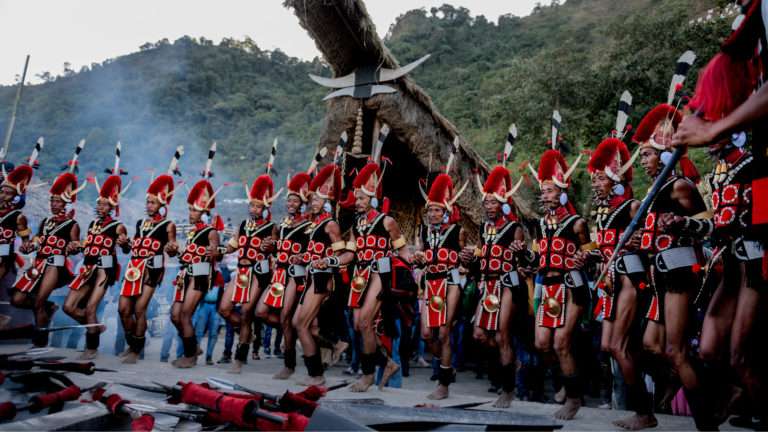
| December–February | Rajasthan, Kerala, the Golden Triangle, Northeast India, Sri Lanka’s south and west | The Hornbill Festival runs 1–10 December; the Khajuraho Dance Festival is in February. |
| March | Rajasthan, Kerala, the tiger reserves, Bhutan and Nepal | Holi, the festival of colour, falls in March. The plains begin to warm. |
| April–June | Ladakh (from late May), Himachal, Darjeeling and Sikkim; the tiger reserves for the hardy | The plains are very hot. Tiger sightings are often excellent as animals gather at water. |
| July–September | Ladakh, Kerala for Ayurveda, Sri Lanka’s east coast | The monsoon brings rain to most of India; most national parks close their core zones. |
Rajasthan and the Golden Triangle
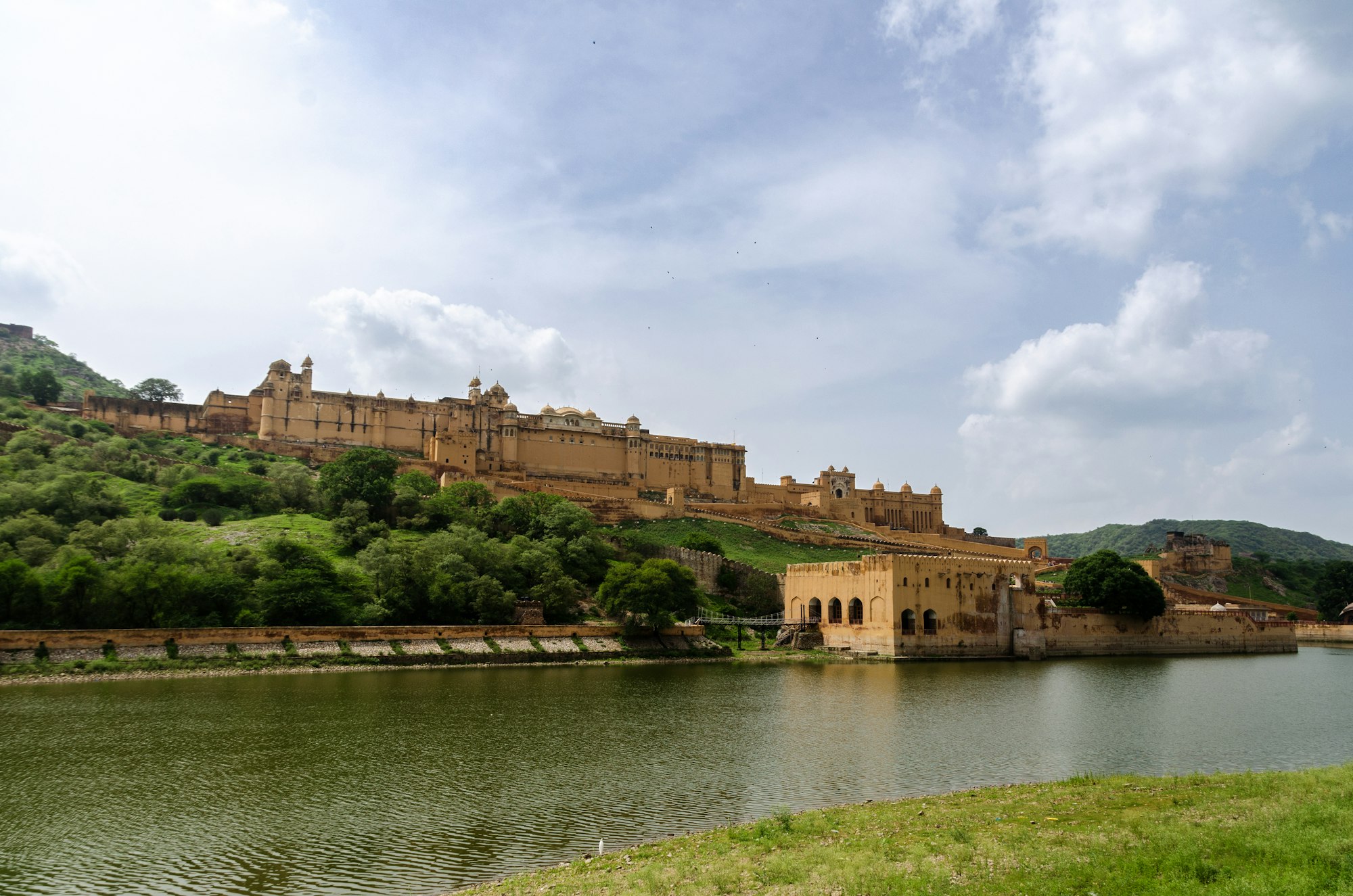
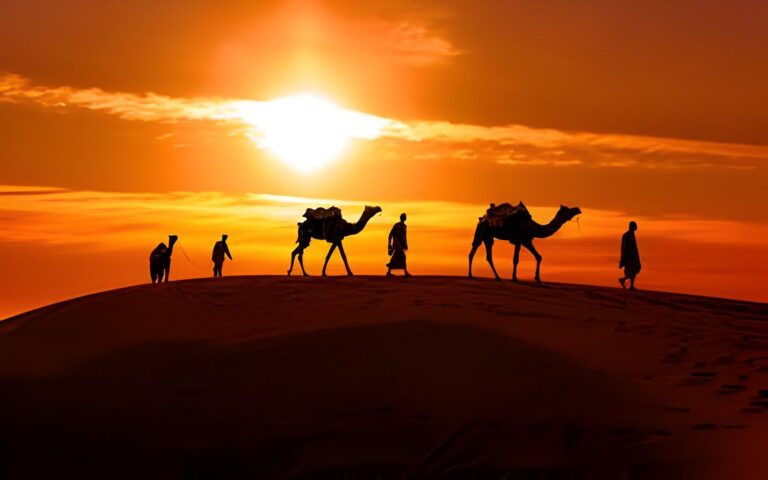
October to March is ideal for Rajasthan and the Golden Triangle. The desert nights can be cold in December and January, which makes the warmth of a palace hotel all the more welcome. From April the heat builds quickly, and by May daytime temperatures are fierce.
Kerala and the south
Kerala is at its most comfortable from November to March, with calm seas and clear days on the backwaters. The south-west monsoon arrives in early June and turns the landscape a deep green; it is also considered the best season for Ayurveda treatments. See our Kerala tour for a journey through the state.
The Himalaya and Ladakh
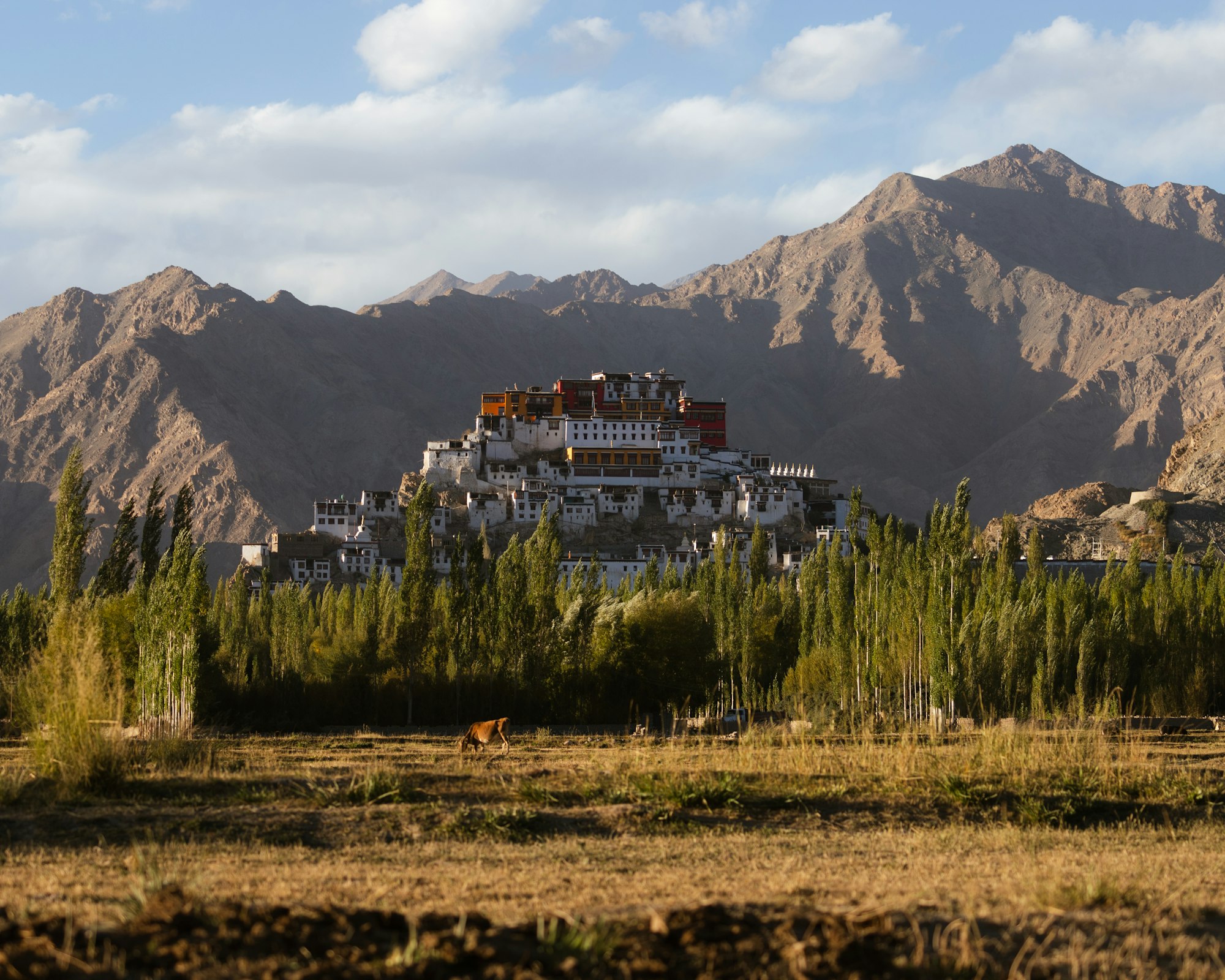
The mountains follow a different calendar. Ladakh lies in a rain shadow and is best from late May to September, which makes it the natural choice when the monsoon is on the plains. Sikkim and Darjeeling are lovely in spring (March to May) and autumn (October and November), when the views of Kanchenjunga are clearest.
Wildlife
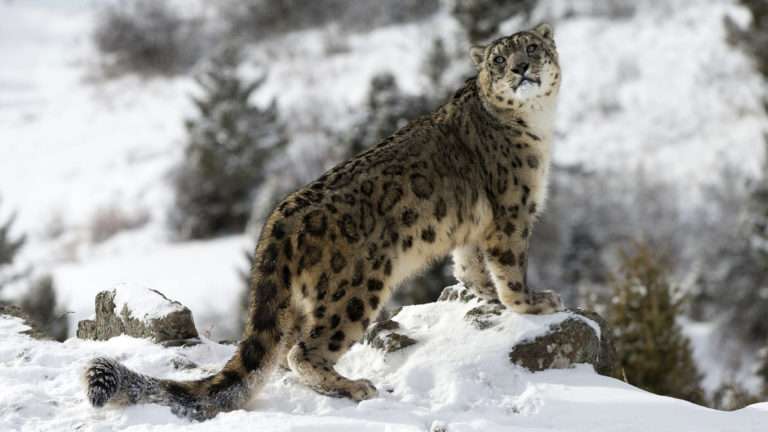
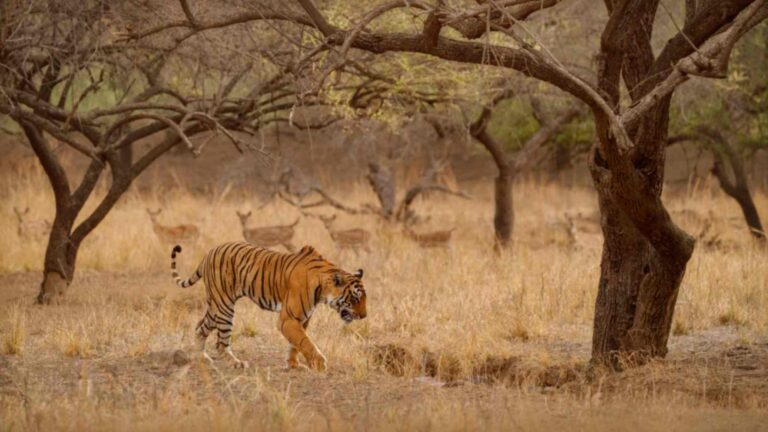
India’s tiger reserves generally open in October and close their core zones for the monsoon, roughly from July to September. The cool months are the most comfortable for safaris, while the hot months from March to May often bring the best sightings, as animals stay close to water. Our tiger safari is planned around these seasons.
Neighbouring countries
- Nepal: October and November are clearest for mountain views, with March and April a close second.
- Bhutan: spring (March to May) and autumn (September to November).
- Sri Lanka: December to March for the south and west coasts, May to September for the east.
Choosing the best time to visit India for you
If you have fixed dates, there is almost always a part of India that suits them. Tell us when you can travel and what you would like to see, and we will suggest the best time to visit India for your plans, or the best region for your dates. Start planning here, or see the India Meteorological Department for current conditions.