
Destination India
Luxury journeys through India
From the forts of Rajasthan to the backwaters of Kerala and the hill country of the Northeast, planned privately around you by a team based in India.
India is our home
One country, many journeys
India rewards travellers who choose a few regions and give them time. A first visit often pairs Delhi, Agra and Jaipur with a few slower days in Udaipur or Kerala. A second might follow tigers through the forests of Madhya Pradesh, or the festivals and tea gardens of the Northeast.
We plan every journey privately: your own car and driver, guides chosen for each city, and hotels picked for their character as much as their comfort. The regions below are where most of our journeys begin.

Rajasthan
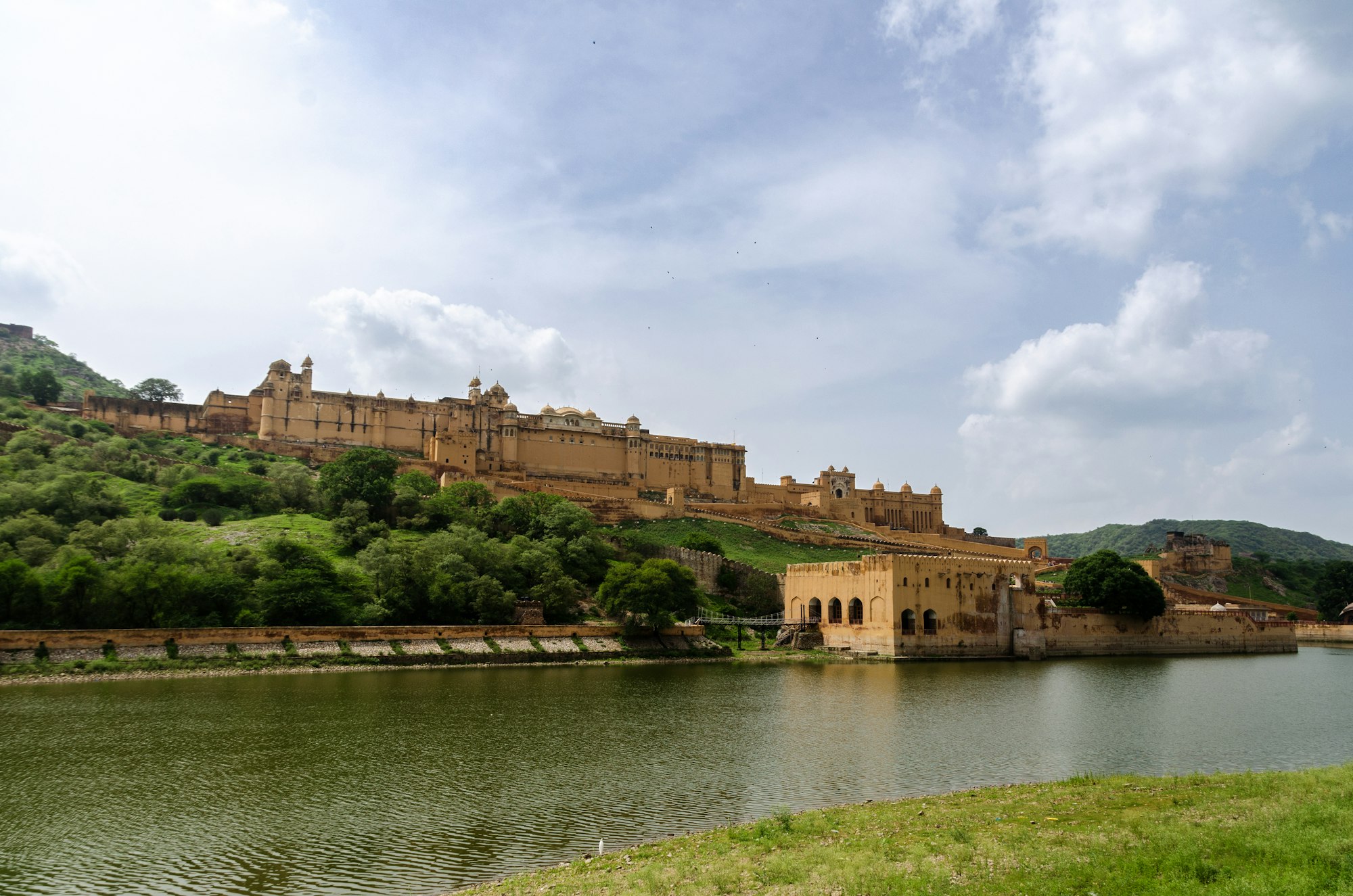
Rajasthan is India at its most theatrical: hill forts above desert towns, painted havelis, and palaces that are now some of the country’s finest hotels. A journey here might move from Jaipur’s bazaars to the lakes of Udaipur by way of Pushkar and Jodhpur, with a morning in Ranthambore looking for tigers. Distances are real, so we keep the drives sensible and leave room for the long lunches and quiet afternoons that make the region a pleasure.
Journeys: Rajasthan Royalty · North India Elegance · Pushkar Camel Fair

The Golden Triangle
Delhi, Agra and Jaipur form India’s classic first journey, and for good reason. In a week you see Mughal Delhi and the old lanes of Chandni Chowk, the Taj Mahal at sunrise and sunset, and the Pink City with Amber Fort above it. It is also the easiest route to extend: add Ranthambore for tigers, Udaipur for its lakes, or Varanasi for the river at dawn.
Journeys: Luxury Golden Triangle · Spiritual India

Kerala and the South
Kerala moves at a different pace. Fort Kochi’s spice warehouses and Chinese fishing nets give way to the backwaters of Kumarakom, the cardamom hills of Periyar and long beaches on the Arabian Sea. It suits travellers who want rest as much as sightseeing, with Ayurveda, slow boat journeys and some of India’s most thoughtful small hotels.
Journeys: Exquisite Kerala
The Northeast
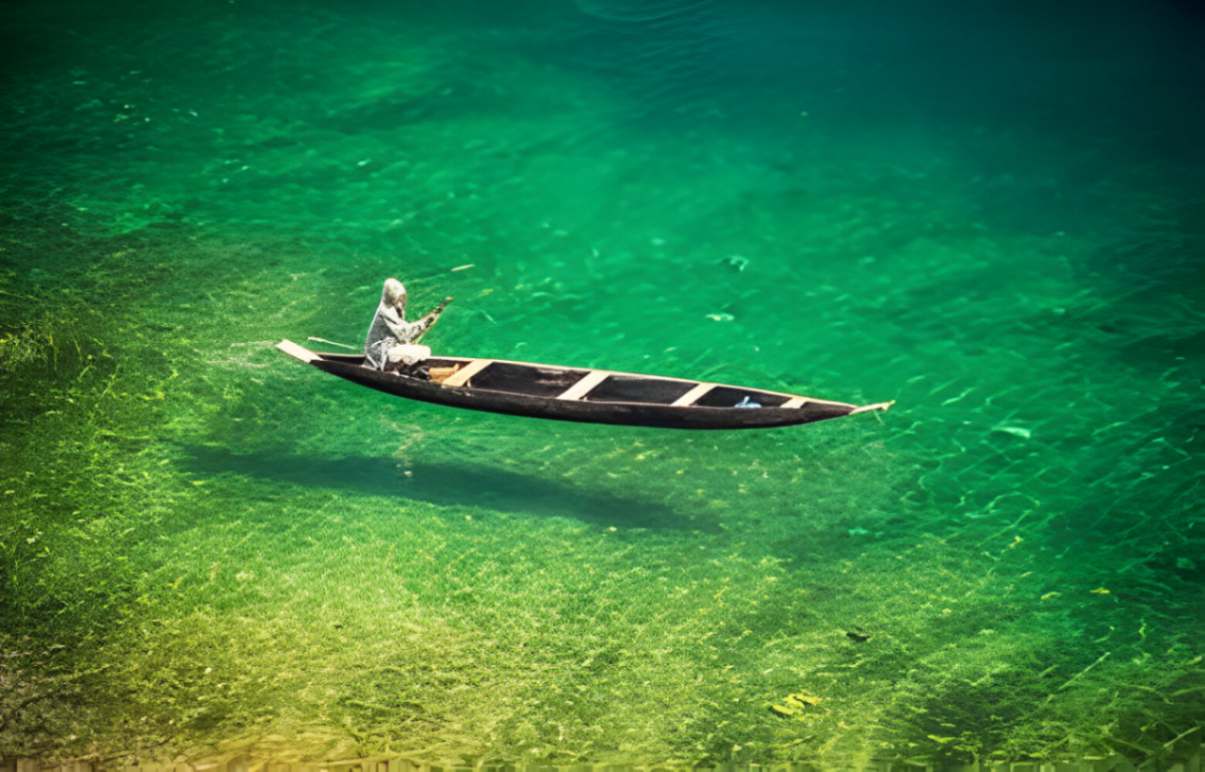
Few overseas visitors reach India’s Northeast, which is much of its appeal. Assam has tea estates, river islands and the rhinos of Kaziranga; Meghalaya has living root bridges and some of the wettest, greenest hills on earth; Nagaland hosts the Hornbill Festival each December. Hotels here are characterful rather than grand, and we tell you exactly what to expect.
Journeys: Assam and Meghalaya · Hornbill Festival

Wildlife
Central India’s forests are among the best places in the world to see a wild tiger. Kanha’s meadows and Bandhavgarh’s rocky hills are joined by Ranthambore in Rajasthan, each with lodges that make the early mornings easy. Sightings are never guaranteed, so we plan several drives in each park and choose naturalists who know the forest well.
Journeys: Luxury Wildlife Odyssey · Rajasthan Royalty
The Himalaya
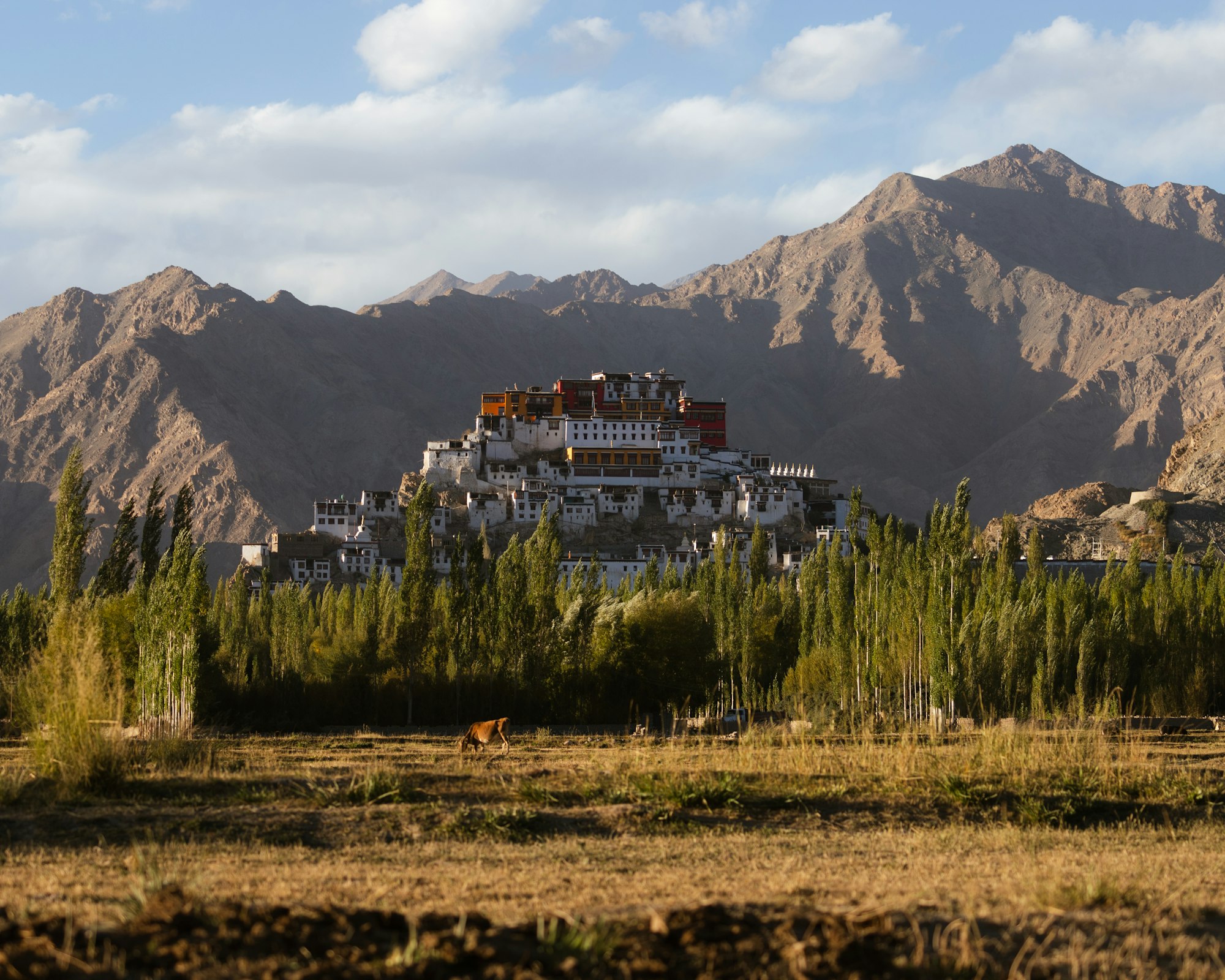
Ladakh is high-altitude desert, with Buddhist monasteries on ridges above the Indus and passes among the highest roads anywhere. It is a summer destination, best from late spring to early autumn, and the altitude means the first day is spent resting. We pair it with Rajasthan or Delhi, and can add the hill country of Himachal or Uttarakhand.
Journeys: Himalayan Majesty and Royal Rajasthan
When to go
Best time to visit India
India is large enough that somewhere is always in season. These are the months we recommend for each region.
| Region | Best months | Good to know |
|---|---|---|
| Delhi, Agra and Jaipur | October to March | December and January mornings can be foggy and cool. April to June is very hot. |
| Rajasthan | October to March | The Pushkar fair is in October or November, set by the lunar calendar. |
| Kerala and the South | November to March | The monsoon arrives in June. Many travellers choose it for Ayurveda. |
| Northeast (Assam, Meghalaya, Nagaland) | October to April | Kaziranga is usually open from November to April. Hornbill Festival runs 1–10 December. |
| Tiger reserves of Central India | November to April | Parks close for the monsoon from July to September. Spring brings the best sightings and warmer days. |
| Ladakh and the Himalaya | May to September | Mountain roads and passes can close outside these months. |
| Varanasi | October to March | Dawn on the Ganges is at its most atmospheric in winter. |
Questions
Travelling in India
Do we need a visa for India?
Most visitors from the United States, the United Kingdom, Australia and Europe can apply for an Indian e-Visa online before they travel. Rules change, so please check the official Government of India e-Visa website for your nationality. We are happy to point you to the right page.
How long should our first journey be?
Ten to fourteen nights lets you see the Golden Triangle and add one slower region, such as Udaipur, Ranthambore or Kerala, without rushing. A week is enough for Delhi, Agra and Jaipur alone.
Will we have a guide throughout?
You travel with your own car and driver throughout, and an expert local guide joins you for sightseeing in each city. If you would prefer one guide to travel with you for the whole journey, we can arrange it.
What should we wear when visiting temples and mosques?
Shoulders and knees should be covered, and shoes are removed at the entrance. A light scarf is useful for women and men at some sites. Your guide will tell you before each visit.
Can we combine India with a neighbouring country?
Yes. Nepal and Bhutan are a short flight from Delhi, and Sri Lanka from South India. See all destinations.
Plan your journey
Start planning your India journey
Tell us about the journey you have in mind. A travel specialist will reply personally within 24 hours and arrange a call at a time that suits you.
Prefer to write directly? contact@alluring.travel · WhatsApp +91 92119 13735
