Intending to travel to India? Here’s what you need to know
If you are planning to travel to India for the first time, a little preparation makes all the difference. India rewards curiosity and patience in equal measure, and the travellers who enjoy it most tend to arrive knowing what to expect. These seven essentials come from more than a decade of planning private journeys for first-time visitors.
1. Visas for travel to India
Most nationalities, including travellers from the United States, the United Kingdom, Australia and much of Europe, can apply online for an e-Visa before they travel. Apply only through the official Government of India e-Visa website, allow time for processing, and make sure your passport has at least six months’ validity and two blank pages.
2. Choose the right season
For most of the country, October to March is the most comfortable time to travel to India: warm, dry days and cool evenings across Rajasthan, the Golden Triangle and Kerala. The Himalaya and Ladakh are at their best from late spring to early autumn, and the monsoon (roughly June to September) suits a few regions beautifully but makes others difficult.
3. Do less, and see more
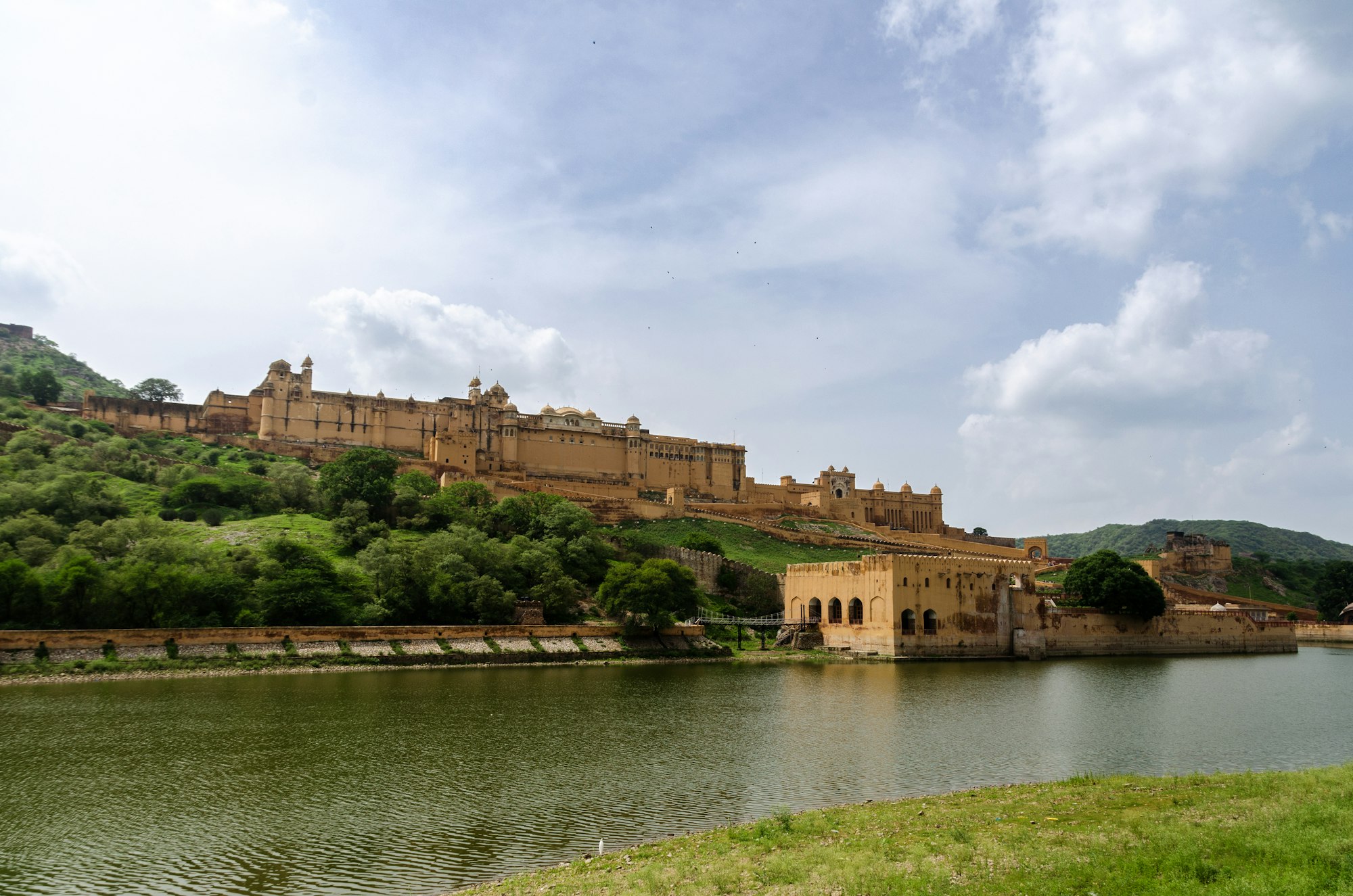
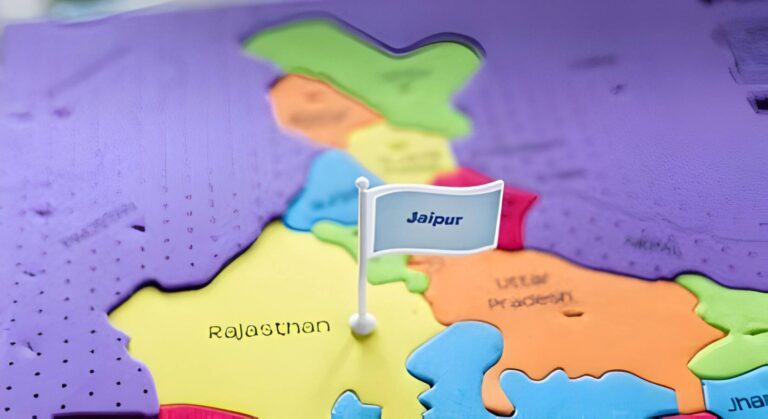
India is vast, and the temptation is to see everything at once. A first journey of two weeks is best focused on one or two regions: the Golden Triangle of Delhi, Agra and Jaipur, perhaps extended into Rajasthan or followed by the backwaters of Kerala. Two or three nights in each place leaves time to absorb rather than simply tick off.
4. Spiritual India
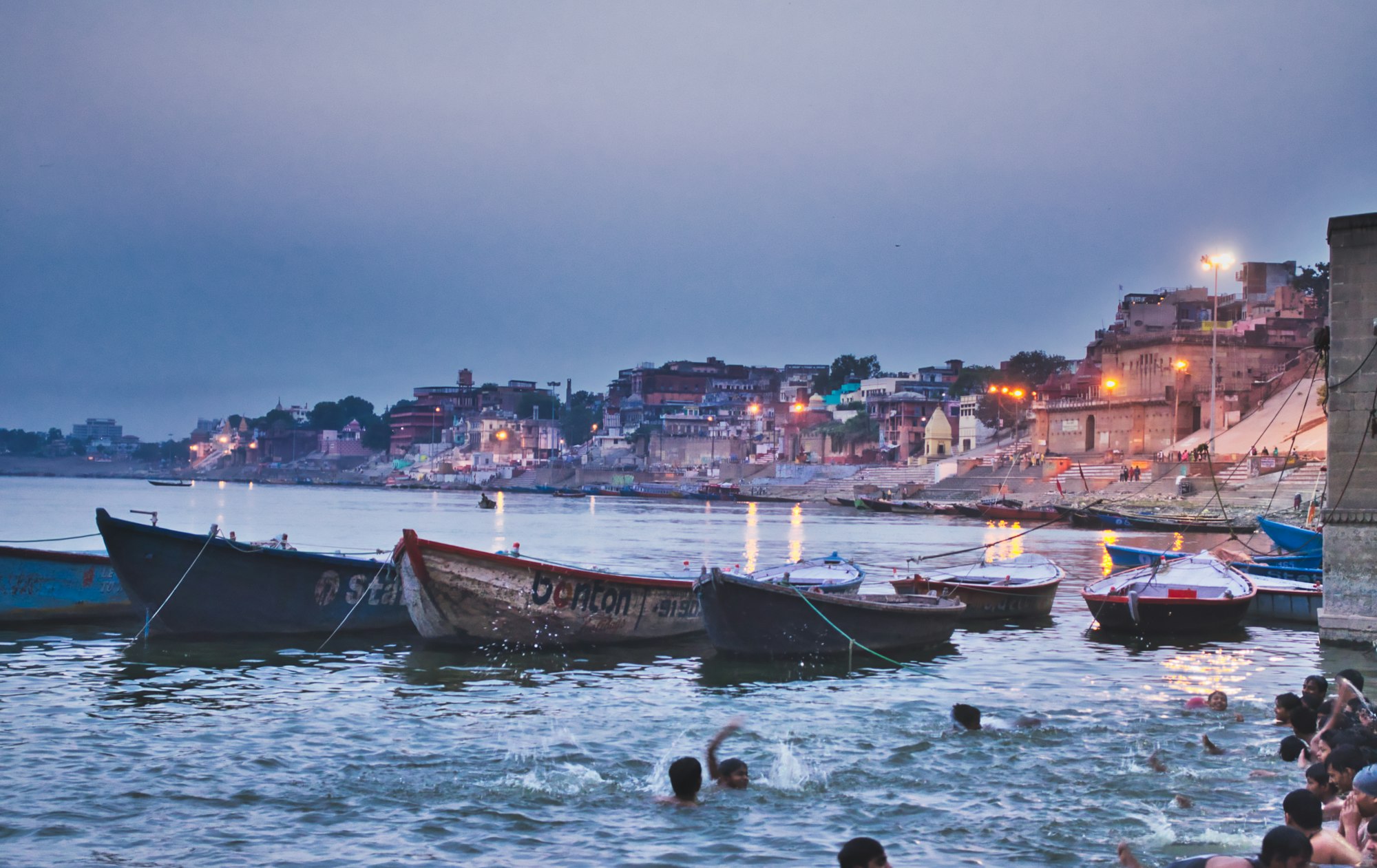
Faith is part of daily life in India, and some of the most memorable moments of any journey happen at its temples, mosques, gurdwaras and riverside ghats. Varanasi, Amritsar’s Golden Temple and Bodh Gaya are among the most moving. Dress modestly, remove your shoes where asked, and a good guide will explain what you are seeing. Our spiritual India journey brings several of these together.
5. Wildlife and the outdoors

India has some of the best places in the world to see wild tigers, in reserves such as Ranthambore, Kanha and Bandhavgarh. Safaris run in the early morning and late afternoon, and parks generally close for the monsoon. If wildlife matters to you, plan it early, as safari permits are limited.
6. Health, money and comfort
- Speak to your doctor or a travel clinic about vaccinations well before you travel to India.
- Drink bottled or filtered water; good hotels provide it as a matter of course.
- Cards are widely accepted in hotels and larger shops; carry some rupees for markets and tips.
- Travel insurance covering medical care and evacuation is essential.
7. Etiquette and food
Indian hospitality is famous, summed up in the Sanskrit phrase Atithi Devo Bhava, “the guest is God”. A few courtesies go a long way: greet with a namaste, use your right hand for eating and passing things, and ask before photographing people. Indian food changes completely from one region to the next, and a cooking lesson in a family home is one of the best ways to understand it.
Planning your first journey
When you are ready to travel to India, we would be glad to help you shape a first journey around your interests and pace. Tell us what you have in mind and a travel specialist will reply personally within 24 hours.