India in January: where to go, the weather and what to book
January is one of the best months to visit India. Across Rajasthan, the Golden Triangle, Kerala and the tiger reserves the days are dry and sunny, and sightseeing is comfortable. Mornings and nights in the north are cold, and early fog can slow travel, so pack layers and plan a little slack around flights. It is peak season, so book early.
Where to go in India in January
Most of the country is at its best in January. The table below shows how each region feels, and which of our private journeys fits the month.
| Region | January in brief | Our journey |
|---|---|---|
| Delhi, Agra and Jaipur | Cool, clear days; cold nights and early-morning fog | Golden Triangle (best October to March) |
| Rajasthan | Sunny, comfortable days; cold desert nights | Rajasthan in Taj palaces (October to March) |
| Kerala | Warm and dry, with calm backwaters | Kerala with CGH Earth (November to March) |
| Tiger reserves | Cold dawn drives, pleasant afternoons | Wildlife of North India (November to April) |
| Nepal and Bhutan | Crisp, clear mountain days; cold nights | India with Nepal or Bhutan (October to April) |
| Sri Lanka | Dry season on the west and south coasts | Sri Lanka (December to April) |
| Ladakh | Deep winter; not a season we plan for | Ladakh and Rajasthan (May to September) |
Rajasthan and the Golden Triangle
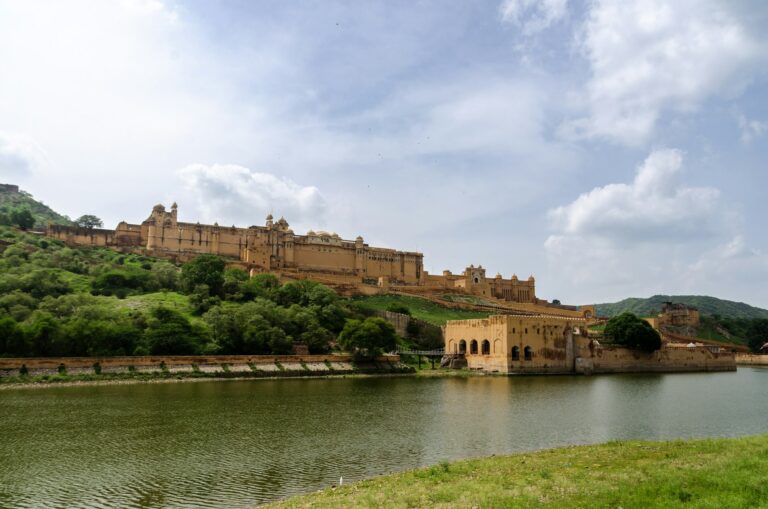
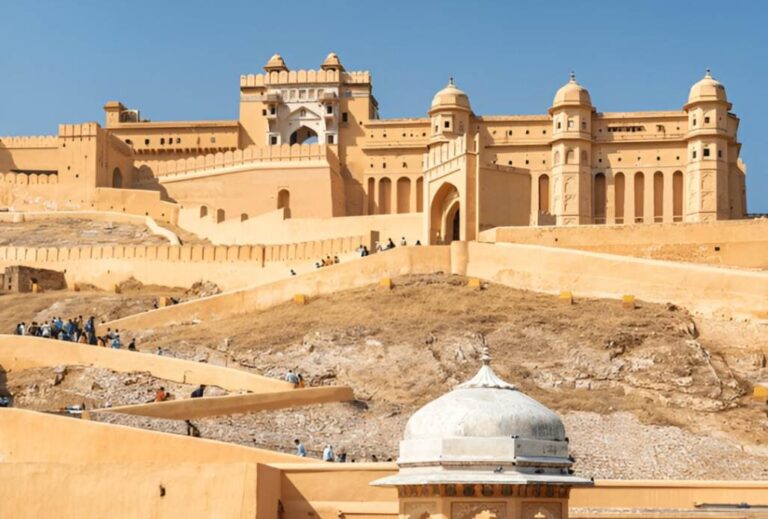
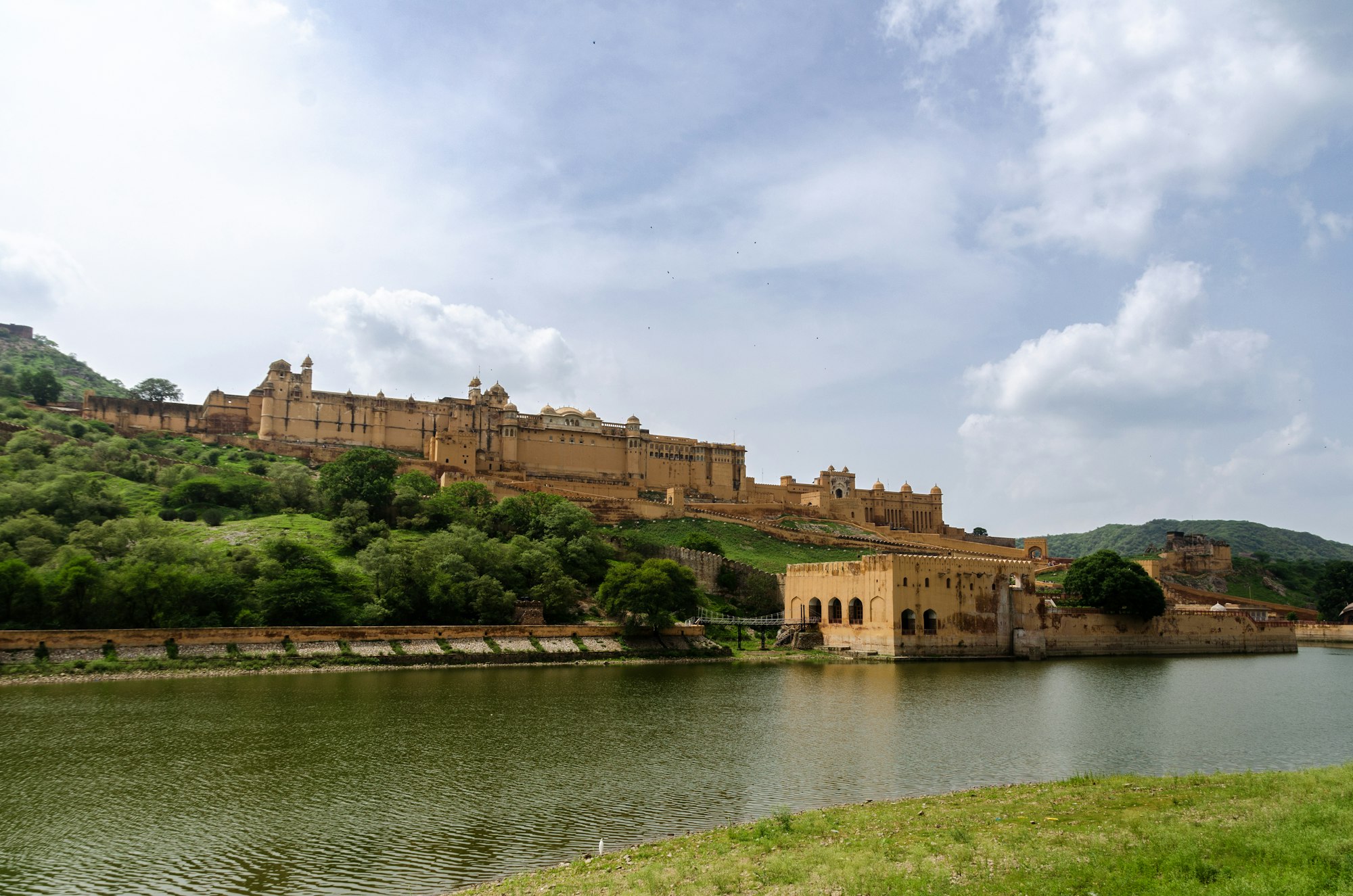
This is the classic January journey. Clear skies suit the forts of Jaipur and the lakes of Udaipur, and a sunrise visit to the Taj Mahal is cold but beautiful. Desert nights in Jodhpur and Jaisalmer can be very cold, so we choose hotels with warmth and comfort in mind. See our Golden Triangle tour and Rajasthan in Taj palaces.
Kerala and the south
If you prefer warmth, Kerala in January is dry and calm: ideal for the backwaters, the tea hills of Munnar and the coast. Read our guide to the Kerala backwaters or see Kerala with CGH Earth hotels.
Tiger reserves
The reserves are open and the forest is cool and quiet. Dawn drives in an open jeep are cold, so bring gloves and a hat. Our tiger safari guide explains which reserve to choose, and our wildlife journey combines three of them.
Nepal, Bhutan and Sri Lanka
January brings clear mountain views in Nepal and Bhutan, with cold nights. Sri Lanka is in its dry season on the west and south coasts. Each pairs well with a week in North India: see India and Nepal, India and Bhutan and India and Sri Lanka.
What is the weather like in January?
In the north, expect cool, sunny days and cold nights, with the coldest air in the desert and the hills. Early-morning fog is common on the northern plains and can delay flights and trains. In the south, Kerala is warm and dry. The Himalaya is in deep winter, which is why our Ladakh journey runs from May to September instead. For the rest of the year, see our region-by-region guide to the best time to visit India.
Festivals and dates to plan around
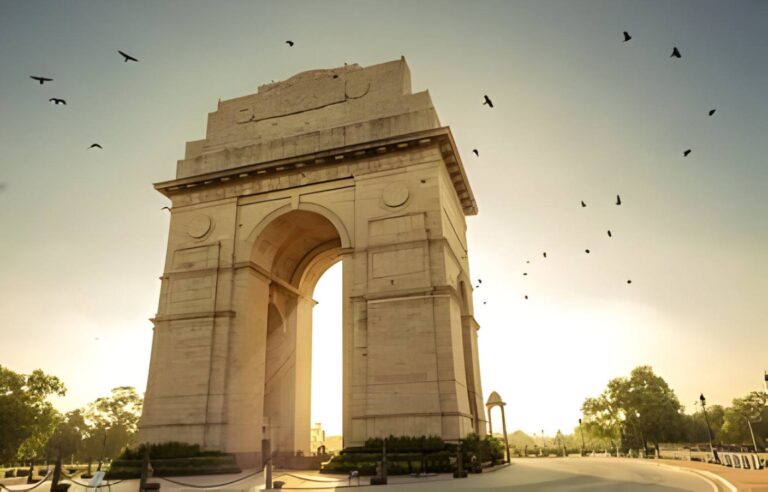
- Republic Day, 26 January: a parade in New Delhi. Central roads close for rehearsals and on the day, and Rashtrapati Bhavan usually closes to visitors in the last week of January.
- Beating Retreat, 29 January: the military music ceremony that closes the Republic Day celebrations, with further road closures in central Delhi.
- Peak-season demand: late December to mid-January is the busiest time for hotels in Rajasthan and Agra.
What to pack for India in January
- Warm layers: a light down jacket or wool coat, a jumper and a scarf for mornings and evenings in the north
- Light clothes for the day, and summer clothes if you are going on to Kerala or Sri Lanka
- Gloves and a hat for safari drives
- Comfortable walking shoes, and socks for temples where shoes come off
How far ahead should you book?
January is peak season. The best palace hotels, safari permits and houseboats are taken first, so we suggest starting three to six months ahead. If you are planning for this January, tell us your dates and we will reply within 24 hours with what is still possible.
Frequently asked questions
Is January a good time to visit India?
Yes. For most of India it is one of the best months: dry, sunny and comfortable for sightseeing. Only the far north, such as Ladakh, is too cold for a comfortable journey.
How cold is North India in January?
Days in Delhi, Agra and Jaipur are usually cool and clear, while early mornings and nights are cold, especially in the desert. Pack warm layers, a light down jacket or wool coat, and a scarf for early starts.
Will fog affect my trip?
Fog is common in the early mornings across the northern plains in December and January, and it can delay early flights and trains. We plan road journeys for later in the morning and keep a buffer before international departures.
What happens around Republic Day?
India celebrates Republic Day on 26 January with a parade in New Delhi. Central Delhi has road closures for rehearsals and the day itself, and Rashtrapati Bhavan usually closes to visitors in the last week of January. We plan Delhi sightseeing around these dates.
How far ahead should I book a January trip?
As early as you can. January is peak season, so the best palace hotels, tiger-reserve permits and Kerala houseboats fill first. We suggest starting to plan three to six months ahead.
Plan your journey
Begin with a conversation
Tell us about the journey you have in mind. A travel specialist will reply personally within 24 hours and arrange a call at a time that suits you.
Prefer to write directly? contact@alluring.travel · WhatsApp +91 92119 13735